
Exploring Luxor: The Heart of Ancient Egypt
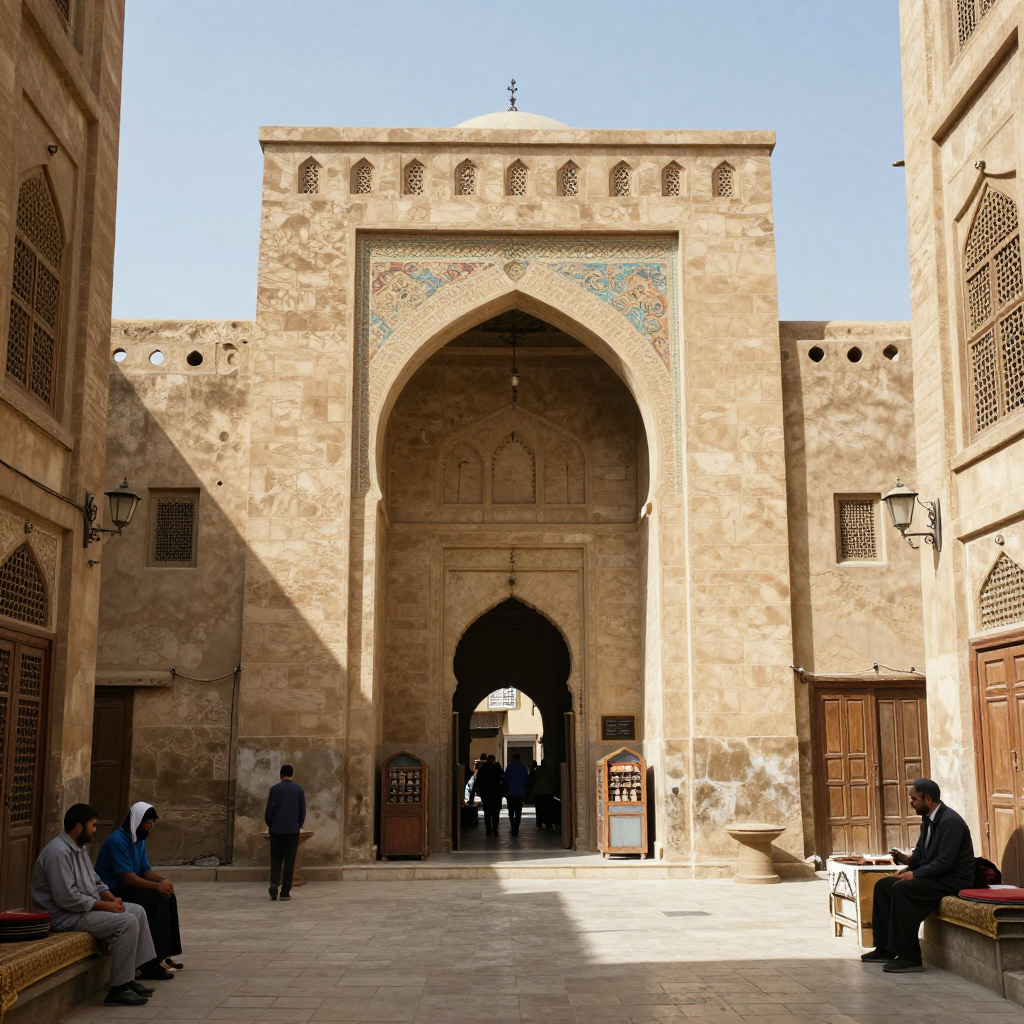
Few places on earth compress so much history into so small an area as Luxor. Once the capital of pharaonic Egypt under the name Thebes, the modern city straddles the Nile between a living East Bank and the great funerary landscape of the West Bank - a division that still shapes how visitors experience it today.
A City Divided by the Nile
Ancient Egyptians believed the sun's daily journey - rising in the east and setting in the west - mirrored the cycle of life and death. They built accordingly: the temples of Karnak and Luxor, dedicated to the living gods and pharaohs, rose on the East Bank, while the West Bank became a vast necropolis of tombs and mortuary temples. That same geography defines Luxor today, with the bustling modern town facing the quiet hills where pharaohs were laid to rest.
Karnak and Luxor Temples
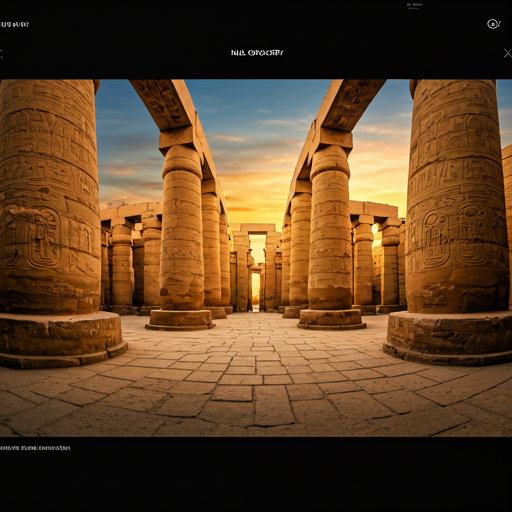
Karnak is the largest religious complex ever built, its Hypostyle Hall containing 134 columns so massive that several people can stand inside the carved capitals. A short distance away, Luxor Temple was once connected to Karnak by a two-mile avenue lined with sphinxes, much of which has now been excavated and reopened to visitors.
The Valley of the Kings
Across the river, the Valley of the Kings holds more than sixty tombs cut into the limestone hills, including the small but spectacularly decorated tomb of Tutankhamun. Each tomb follows a similar plan - a long corridor descending toward a burial chamber - but the painted scenes inside vary enormously, offering a vivid record of how each pharaoh imagined the afterlife.
Making the Most of Your Visit
Most travelers underestimate how much time Luxor deserves. A minimum of two full days allows for an early start at the West Bank tombs before the heat sets in, an afternoon at Karnak, and an evening at Luxor Temple when the columns are lit dramatically against the night sky. A sunrise hot air balloon ride over the West Bank is, for many visitors, the single most memorable moment of their entire trip to Egypt.
Final Thoughts
Luxor rewards travelers who slow down. Beyond the headline monuments, the city's open-air museum quality means history is woven into everyday life - donkeys still cross fields within sight of three-thousand-year-old temple walls. Give it the time it deserves, and Luxor will likely become the highlight of your Egyptian journey.
0 Comments
Be the first to share your thoughts on this article.
Leave a Comment