
Karnak Temple Complex: Marveling at the Grandeur of Luxor's Largest Temple

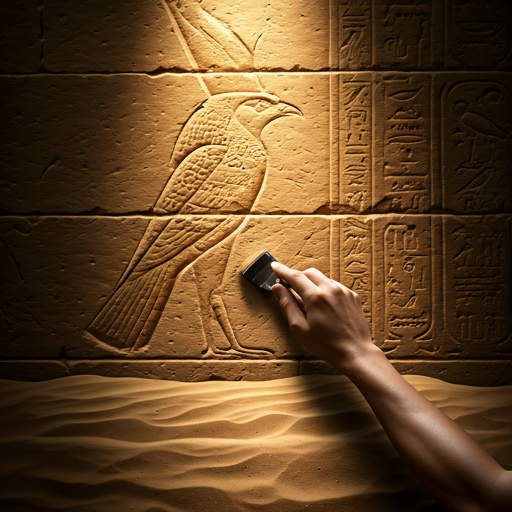
On the East Bank of the Nile at Luxor lies Karnak, a temple complex so vast that it could comfortably contain ten European cathedrals. Unlike most ancient monuments, Karnak was not built by a single ruler - it grew over more than two thousand years as successive pharaohs added their own halls, pylons, and obelisks.
A Temple Built by Generations
Construction at Karnak began around 2000 BCE and continued for two millennia, with more than thirty pharaohs contributing additions. Each new ruler sought to leave a mark larger than their predecessor's, resulting in a complex that grew outward in every direction - a layered record of Egyptian history carved in stone.
The Great Hypostyle Hall
The most famous part of Karnak is its Hypostyle Hall, a forest of 134 massive columns covering an area large enough to hold the cathedral of Notre Dame. The central columns rise over 21 meters and are carved and painted with scenes of the pharaohs making offerings to the gods, much of the original color still visible in protected areas.
The Avenue of Sphinxes
A processional avenue once lined with thousands of ram-headed and human-headed sphinxes connected Karnak to Luxor Temple nearly three kilometers away. Long buried beneath the modern town, large sections of the avenue have been excavated in recent decades and are now open to visitors walking the same route ancient priests once used during festival processions.
Visiting Karnak Today
Karnak rewards an early morning visit, both for the light on the columns and to avoid the midday heat in the open courtyards. In the evening, a Sound and Light Show guides visitors through the complex with narration and dramatic lighting - a striking way to appreciate the scale of the site after dark.
Final Thoughts
Karnak is less a single temple than a timeline carved in stone, each pharaoh's contribution layered onto the last. Walking through its halls, it's possible to trace two thousand years of ancient Egyptian history in a single afternoon - making it, for many visitors, the most awe-inspiring site in all of Luxor.
0 Comments
Be the first to share your thoughts on this article.
Leave a Comment